
Compound Interest Calculator
Long-term Investment Compound Return
Investment Info
Compound Result
Final Amount
—
Principal—
Profit—
Compound Interest Calculator Guide
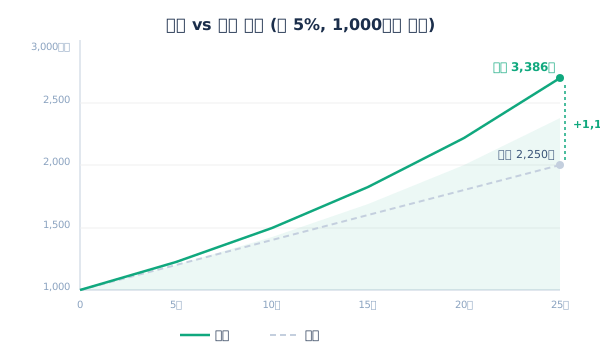
The Power of Compound Interest
Compounding Frequency Matters
Simple vs Compound Interest
Real-World Applications
How to Use This Calculator
FAQ
What is compound interest?
Compound interest is when you earn interest not only on your principal but also on previously accumulated interest. It grows much faster than simple interest over the long term, which is why it's often called the 'magic of compounding.'
What is the Rule of 72?
Divide 72 by your annual return rate to estimate how many years it takes to double your money. For example, at 7% annual return: 72 ÷ 7 ≈ ~10 years to double your principal.
How do I maximize the compound interest effect?
Keep your investment period as long as possible and avoid withdrawals. A higher return rate and shorter compounding periods (monthly > annually) also significantly boost the effect.
How much bigger is compound vs. simple interest?
With a ₩10M principal at 7% annually over 20 years: simple interest gives ₩24M, while compound interest yields approximately ₩38.7M. The gap grows exponentially over time.
Does dollar-cost averaging benefit from compound interest?
Yes. Each periodic contribution earns compound interest individually. However, later contributions benefit less because they have a shorter compounding period than earlier ones.
How do I calculate the real return after inflation?
Real return ≈ Nominal return − Inflation rate. If you earn 7% annually with 3% inflation, your real return is about 4%. For long-term planning, use the real return rate for a realistic projection.
How are taxes factored into compound interest?
Taxes such as dividend income tax (15.4%) and financial investment income tax reduce your effective return. Calculating with an after-tax return rate gives more accurate results. Tax-advantaged accounts like ISA or pension savings can reduce the tax burden.